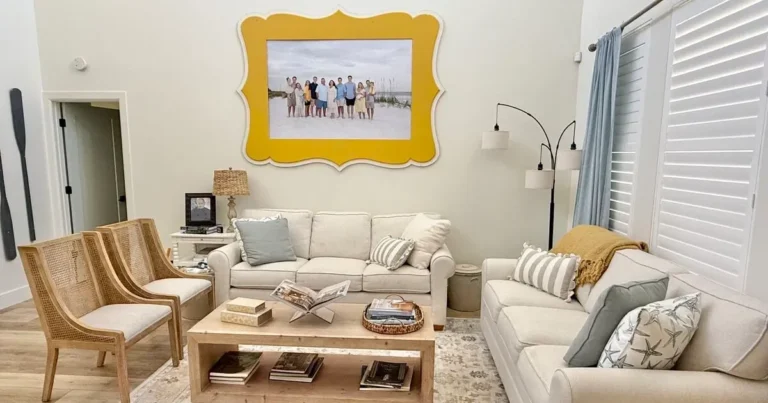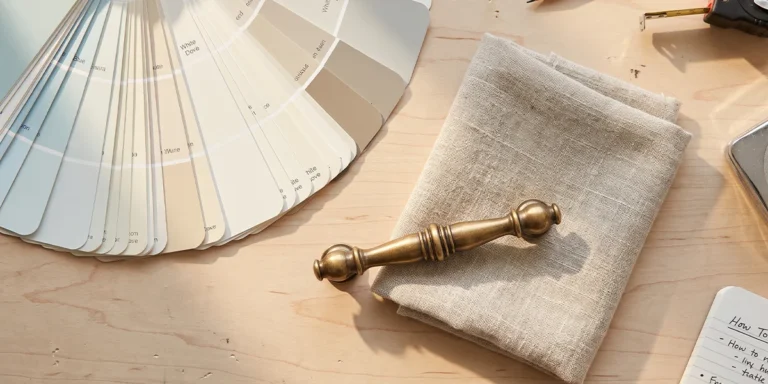
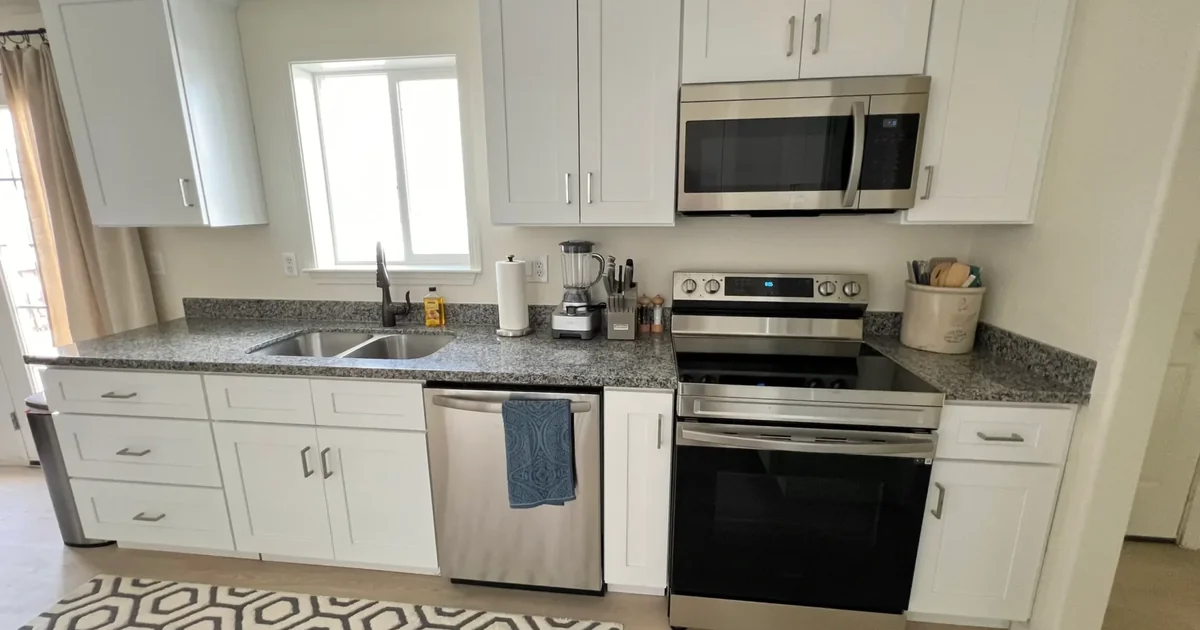
Farmhouse interior design is one of the most searched residential styles in the country, and also one of the most misread, because “farmhouse” on Pinterest usually shows the edited-down modern version rather than the warmer, more layered classic look most people actually mean. If you keep saving photos of florals and gingham, antique furniture with real wear, open shelves crowded with collected dishware, and rooms that feel like a family has lived in them for generations, you’re picturing classic farmhouse, and that is the style this guide covers in full.
Classic farmhouse and country design sit at the opposite end of the spectrum from modern farmhouse. Modern farmhouse trims everything down to a tight, clean palette, while classic farmhouse leans into pattern, history, and visible age, so the two share a name and almost nothing else. Getting the difference straight before you buy a single piece is the single most useful thing you can do, and it’s where this guide starts.
What Is Farmhouse Interior Design?
Classic farmhouse interior design layers warm, worn materials, antique furniture, floral or gingham patterns, aged and reclaimed wood, into a room that reads as though it has genuinely accumulated its character over time. It favors comfort, pattern, and a collected feel over the restraint that defines its modern counterpart, and it works because the pieces look like they were gathered one at a time rather than ordered as a matched set on a single afternoon.
The quickest way to recognize it is by feel rather than by any one object. If a room feels like it belongs to a family that has been there for decades, mismatched wood tones, well-worn textiles, a little pattern in more than one place, nothing too perfectly coordinated, you’re looking at classic farmhouse rather than the modern version. That lived-in warmth is the whole point of the style, not a side effect of it.
Farmhouse vs. Modern Farmhouse: How to Tell Them Apart
These two styles get treated as one because they share the word “farmhouse,” but they want genuinely different materials, palettes, and levels of pattern. Modern farmhouse blends warm farmhouse materials, shiplap, wood beams, black metal fixtures, with cleaner contemporary lines and a tight, mostly white-and-cream palette. Classic farmhouse keeps the warmth and then layers in florals, antiques, deeper accent colors, and a sense of history that modern farmhouse deliberately edits away.
The practical test comes down to what you’re drawn to. If you want a calm, edited room with clean lines, a white-and-cream base, and black metal as the main accent, you’re describing modern farmhouse. If you want florals, collected antiques, a warmer and busier palette, and a home that looks like it has always belonged to your family, you’re describing the classic farmhouse covered here.
Most people land somewhere on the line between the two rather than fully at one end, which is exactly why naming your lead direction matters before you shop. Deciding whether you’re editing down or layering up tells you which furniture, which fabrics, and which wood tones belong together, and it keeps you from buying half a modern-farmhouse room and half a classic one and wondering why the space never quite settles. For a wider view of how the major residential styles are defined and compared, the University of Cincinnati’s design styles guide is a useful reference.
The Defining Elements of Classic Farmhouse Design
A handful of choices define classic farmhouse, independent of any single room or project. None of them carries the style alone, they reinforce each other, which is why a lone antique in an otherwise contemporary space reads as an accident rather than a look.
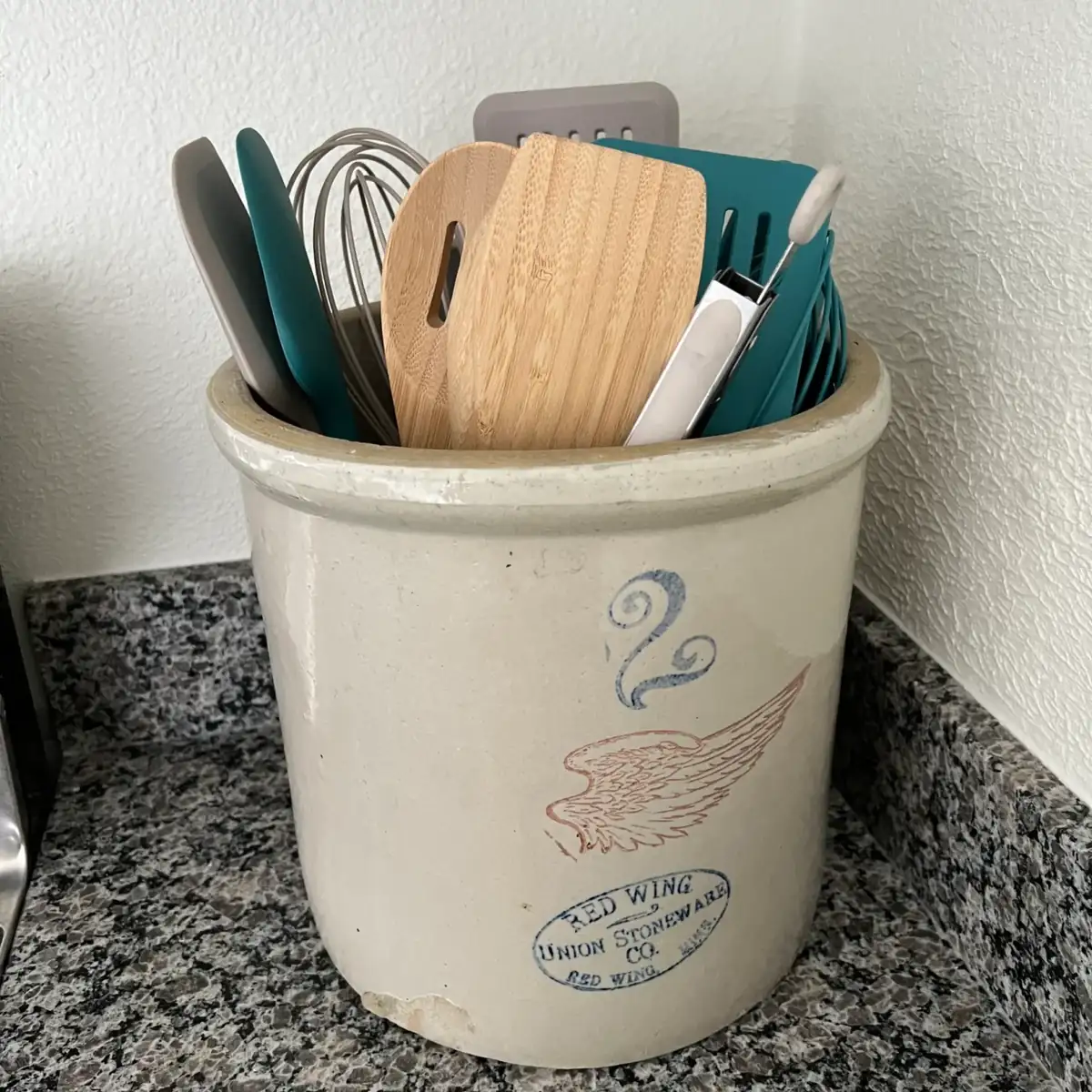
Antique and Vintage-Finish Furniture
Genuine antiques, or at least pieces with real age and honest wear, are the backbone of classic farmhouse. A single dresser or farm table with actual history does more for a room than five reproductions built this year to look old, because the eye reads real patina differently than a factory-applied distress finish. This is the one place in the style worth spending on the real thing when you can find it, since it anchors everything layered around it.
Pattern: Florals, Gingham, and Ticking Stripe
Classic farmhouse uses pattern more freely than almost any other residential style, florals on upholstery or curtains, gingham and checks on softer goods, ticking stripe on pillows and cushions. The trick is repetition with variation rather than one pattern everywhere: a floral that picks up a color echoed in a smaller check across the room reads as collected, while a single pattern used once reads as an afterthought.
Warm, Worn, and Reclaimed Wood
Wood carries most of the warmth in a farmhouse room, and in the classic version visible age is a feature to keep rather than a flaw to sand away. Reclaimed beams, a scrubbed-pine table, open shelving with a little history in the grain, all of it earns its place. Lisa’s construction background matters here, because knowing which reclaimed wood can be left as-is and which needs sealing or treatment, especially in a humid climate, is the difference between character and a maintenance problem.
A Layered, Collected-Over-Time Palette
Where modern farmhouse holds to a tight white-and-cream palette, classic farmhouse allows warmer whites plus deeper accent colors pulled straight from the florals and textiles in the room, soft sage, faded barn red, muted blues. The palette is meant to look accumulated rather than chosen all at once, so a room can carry three or four related tones comfortably as long as one warm neutral ties them together.
Room by Room: Where Classic Farmhouse Works Best
Classic farmhouse reads as warmth in some rooms and as clutter in others, so it pays to know where the fully committed version belongs and where a lighter touch serves the space better.
Kitchens and Dining Rooms
Kitchens and dining rooms are the natural home of classic farmhouse, since these are the rooms where a gathered, lived-in feel reads as generosity rather than mess. A farmhouse sink, open shelving stacked with collected dishware, a large communal table with mismatched chairs, and a bit of pattern on the window treatments is close to the archetype of the style, and it holds up because these rooms are meant to be used hard and look better for it. Research from the National Kitchen and Bath Association tracks how consistently farmhouse elements like these have stayed in demand in real kitchens.
Living and Gathering Rooms
Living rooms take the full style well too, especially when an antique or two grounds the seating and the pattern is spread across pillows, throws, and one larger upholstered piece rather than crammed onto everything at once. A living room is where the “collected over decades” feel is most convincing, because it’s the room where a real family actually accumulates the books, quilts, and worn leather that the style is imitating.
Bedrooms and Quiet Spaces
Bedrooms and rooms meant to feel calm want a lighter, more selective version of classic farmhouse rather than the fully committed one. One floral, a worn wood headboard, and a mostly neutral base tends to read as restful, while wall-to-wall pattern in a primary bedroom fights the room’s actual job. The style still belongs here, it just belongs in smaller doses.
Classic Farmhouse in a Florida Home
Classic farmhouse didn’t originate in a warm coastal climate, and translating it into a Sarasota or Bradenton home takes real adjustment rather than a direct copy of a Midwest or New England reference photo. Three things need attention: humidity, light, and the bones of the house itself.
Humidity and Material Choices
Reclaimed wood and natural-fiber textiles that sit fine in a dry climate need more care in Florida, proper sealing, placement away from direct moisture, or a treated alternative that still reads as authentically worn. This is exactly where a construction-first approach earns its keep, because the choice between a genuine reclaimed piece and a treated stand-in is a material and durability question before it’s an aesthetic one.
Adjusting for Florida’s Bright Light
Classic farmhouse leans on warm, sometimes dim lighting in its national reference photos, which can feel heavy rather than cozy under Florida’s much brighter natural light. Farmhouse rooms here usually work better on a slightly lighter base palette than the darkest versions of the style, letting the antiques and pattern carry the character instead of a saturated, dim room doing the work.
Matching the Style to Your Home’s Architecture
A lot of Florida’s older housing stock carries Mediterranean and old-world bones, arched doorways, stucco, barrel-tile roofs, that don’t naturally pair with a strongly rustic farmhouse look. Classic farmhouse reads most successfully here in newer construction or in homes already updated toward a more neutral shell, which is the same architecture-matching principle that applies to every style on this blog: work with what the house was built to be rather than against it. Our Country Remodel project is a real example of the classic farmhouse and country look carried into a finished home.
Common Classic Farmhouse Mistakes
A few mistakes show up specifically on classic farmhouse projects, separate from general decorating pitfalls, and each one costs more to undo than to avoid at the start.
Buying New Furniture Made to Look Old
Reproduction furniture distressed at the factory rarely reads as convincingly as a single genuine antique with real wear, and a room full of fake-aged pieces tends to look like a catalog set rather than a collected home. When the budget is limited, one real antique plus honest new pieces beats a whole room of imitation age.
Forcing Farmhouse Onto a House With No History
Classic farmhouse works best in a home that already has some age or character to draw from. Layering it onto a strictly new-construction shell with none of that context often reads as costume rather than character, which is one of the honest reasons modern farmhouse, with its cleaner lines, frequently suits a brand-new house better than the classic version does.
Confusing Classic Farmhouse With Modern Farmhouse
This is the most expensive mistake to walk back, because the two styles want different materials, palettes, and levels of pattern, and a shopping list that mixes them produces a room that isn’t clearly either one. Deciding which version you actually want before any purchases saves the cost of returning or reselling pieces that never belonged together.
Over-Filling a Room With Pattern
Classic farmhouse allows more pattern than most styles, but every room still needs a resting point, a plain wall, a solid rug, an uninterrupted stretch of wood, or the collected feel tips over into visual noise. This one is the easiest to fix on your own, usually by subtracting rather than adding, but it’s also the one people most often get wrong on the first pass.
How to Start a Classic Farmhouse Project
You don’t need to have the style fully named before you start, and you certainly don’t need to arrive with a finished plan. Bringing the photos you keep coming back to and describing how you want the room to feel is enough to begin with, and a designer’s job is translating that into materials, pattern, and wood tones that actually work in your house and your climate. A complimentary 15-minute phone call is the first step, and an in-home consultation follows if you’d like a designer’s eye on your specific space and the pieces you already own. Book a discovery call to get started.
Farmhouse Interior Design Questions We Hear Often
What is farmhouse interior design?
Classic farmhouse interior design layers warm, worn materials, antique furniture, and floral or gingham patterns into a collected-over-decades feel, favoring comfort and pattern over the cleaner restraint of modern farmhouse style.
What’s the difference between farmhouse and modern farmhouse?
Modern farmhouse edits farmhouse materials down to a tight, clean, mostly neutral palette with black metal accents and cleaner lines. Classic farmhouse keeps more pattern, more antique furniture, and a warmer, more layered, collected-over-time feel.
Does classic farmhouse style work in a newer home?
It can, but it reads most convincingly in a home with some existing age or history to draw from. In a strictly new-construction home, a lighter, more selective version of farmhouse tends to work better, and modern farmhouse often suits new construction more naturally.
Is farmhouse interior design still popular, or is it dated?
The core classic farmhouse look, antiques, pattern, and a genuinely collected feel, has stayed popular precisely because it isn’t tied to a single trend cycle. What dates quickly is a narrow, trend-specific version of farmhouse rather than the broader style itself.
Can I mix classic farmhouse with other styles?
Yes, and many real homes land somewhere between classic farmhouse and transitional or traditional style rather than committing fully to one. The rule is the same across every style: pick a lead direction and let the others support it, repeating one or two materials so the rooms read as chapters of the same book.
Which rooms work best for classic farmhouse style?
Kitchens, dining rooms, and living rooms tend to work best, since the pattern and collected feel that define the style read as warmth in the rooms a family gathers in most. Bedrooms and deliberately minimal spaces usually want a lighter touch rather than the fully committed look.
Does farmhouse design need to look different in a Florida home?
Yes, in a few practical ways. Florida’s brighter natural light and humidity favor a slightly lighter base palette and careful material choices, and classic farmhouse pairs more naturally with newer or already-updated construction than with older Florida homes carrying strong Mediterranean architectural bones.
How do I get started with a farmhouse design project?
A complimentary 15-minute phone call is the first step, followed by an in-home consultation if you’d like a designer’s eye on your specific space and existing pieces. Book a discovery call to begin.
If florals, antiques, and a genuinely collected feel are what you picture when you hear “farmhouse,” you’re describing the classic end of the style rather than its cleaner modern cousin, and knowing which one you mean is most of the battle. Both are covered in depth on this blog, alongside six other major residential styles, so you can find the exact look you’re after instead of guessing from a single Pinterest board. This post is part of our complete guide to interior design styles, which covers the other looks in the same depth.