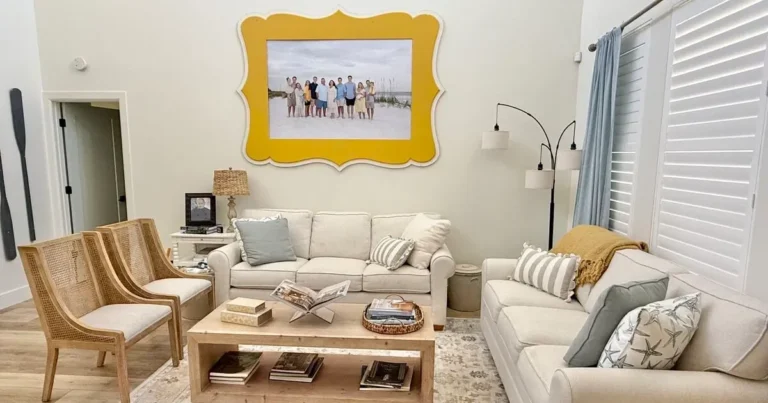
Transitional interior design is the style most homeowners land on without knowing its name. It’s what “I want it to feel classic but not stuffy” or “modern but still warm” actually describes, and it’s arguably the single most requested look among clients who can’t quite point to a reference photo yet.
Transitional design sits deliberately between traditional and contemporary, borrowing the comfort and detail of traditional furniture with the cleaner lines and simpler palette of modern design. Done well, it reads as timeless rather than trendy, which is part of why it’s stayed one of the most consistently requested styles across three decades of residential design work.
What Is Transitional Interior Design?
Transitional interior design blends traditional furniture shapes and detailing with a simplified, modern color palette and cleaner overall lines, landing deliberately between the two styles rather than committing fully to either one. A transitional room typically pairs one or two traditional pieces with real presence, a curved wing chair, a turned-leg table, against a mostly simple, neutral backdrop, rather than filling the room evenly with old and new in equal measure.
The easiest way to recognize it in a photo: if a room feels collected and comfortable but you can’t immediately call it “traditional” or “modern,” it’s very likely transitional.
Transitional vs. Traditional vs. Contemporary
Traditional design leans fully into classic European and colonial influences: symmetry, rich wood tones, formal furniture arrangements, and detailing like crown molding that reads as timeless rather than trendy. Transitional keeps some of that comfort and detail but simplifies the shapes and lightens the palette considerably.
Contemporary and modern design favor clean lines, minimal ornamentation, and a restrained material and color palette, letting architecture and negative space do more of the visual work than furniture or decor. Transitional borrows that restraint but softens it with warmer materials and at least a nod to traditional furniture forms, so a room never feels as stark or as spare as a fully contemporary space.
Put simply: traditional is detail-forward, contemporary is restraint-forward, and transitional is the deliberate middle ground that takes the best instinct from each without fully committing to either. For a broader look at how these style categories are defined, the University of Cincinnati’s architecture and design styles guide is a useful reference.
The Elements of Transitional Design
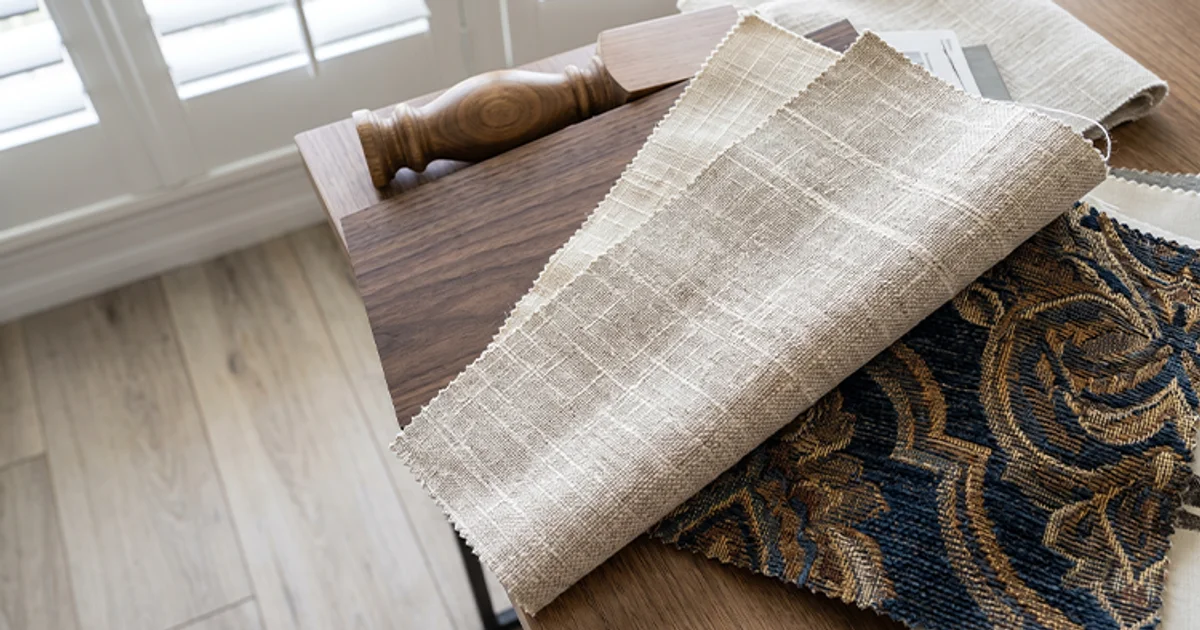
A few materials and choices show up consistently in transitional rooms, independent of any single project:
- Simple upholstered furniture forms, paired with one or two traditional pieces that carry real presence rather than blending in.
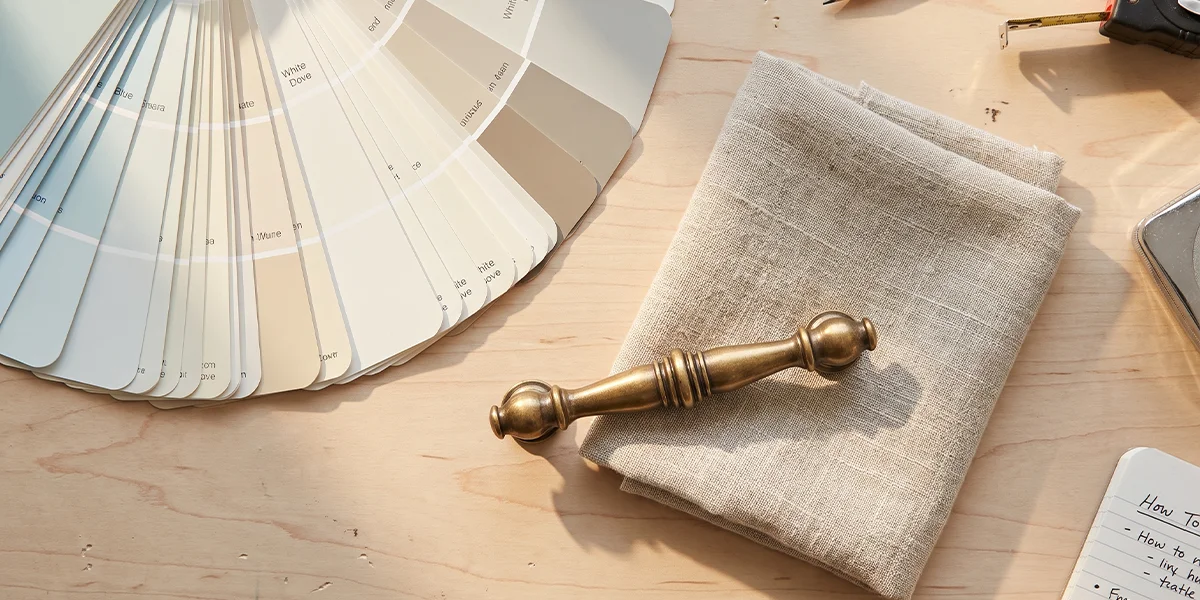
- A neutral base palette, warm whites, soft grays, taupe, with restrained pattern used sparingly rather than throughout.
- A mix of textures over a mix of colors: linen next to a subtle jacquard, matte finishes next to one polished metal accent.
- Furniture with simple, clean lines paired with at least one piece that has visible traditional detailing, a turned leg, a tufted back, a curved arm.
- Lighting that leans simple and current even in an otherwise traditional-leaning room, since ornate fixtures tend to pull a transitional space back toward fully traditional.
Where Transitional Design Works Best
Transitional design tends to show up most successfully in the rooms a family actually lives in day to day: primary living rooms, primary bedrooms, and family rooms where comfort matters as much as appearance. These are spaces people want to feel collected and put together without feeling formal enough that nobody wants to sit down.
It works less naturally in highly utilitarian spaces like laundry rooms or garages, where the traditional detailing that defines the style has little functional reason to exist, and in rooms meant to feel deliberately minimal, like a strictly contemporary home office, where even one traditional anchor piece can read as out of place rather than balanced.
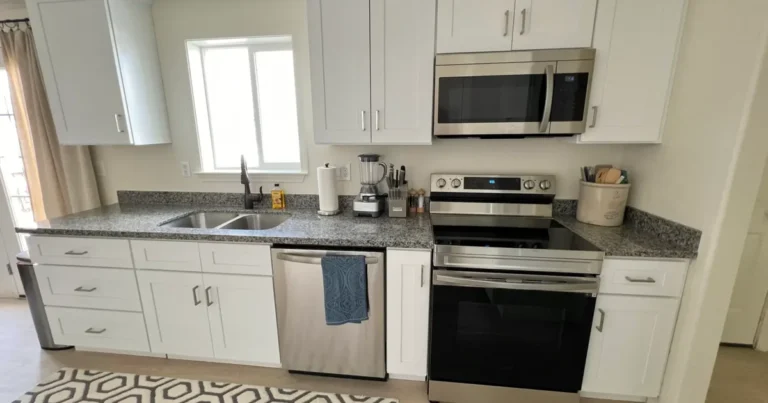
Kitchens and bathrooms can absolutely go transitional too, though the “one or two traditional pieces” principle usually shows up differently there: a furniture-style island leg or a traditional-profile faucet doing the work that an actual piece of furniture does in a living room.
How to Get Transitional Design Right
Transitional is one of the hardest styles to get wrong outright and one of the easiest to get boring, since the whole point is balance rather than a single signature move. Getting it right usually comes down to restraint: choose one or two traditional pieces with genuine presence, then keep everything else around them simple, rather than splitting a room evenly down the middle between old and new.
The most common misstep is treating “transitional” as an excuse to mix anything with anything. A room with five different furniture eras and three competing accent colors isn’t transitional, it’s just unresolved. The style holds together because of what’s left out, not because everything technically fits somewhere on the spectrum between traditional and modern.
Architecture matters here too. A transitional interior tends to read most successfully in homes with fairly neutral or adaptable architecture, newer construction, or a home that’s already been updated away from a strongly traditional or strongly contemporary shell. Forcing heavy traditional detailing into a strictly modern structure, or vice versa, creates the same friction that shows up when any style fights the bones of the house it’s in.
Common Transitional Design Mistakes
A few mistakes come up specifically with transitional projects, separate from general style pitfalls.
Splitting a room exactly in half between traditional and modern pieces is the most common one. Transitional works because one era leads and the other supports it, not because the two are represented in equal measure. A room with three traditional pieces and three contemporary ones usually reads as indecisive rather than balanced.
Chasing a trend-driven version of “transitional” is the second, and the most expensive to undo. A specific accent color or furniture silhouette that’s popular this year tends to date a transitional room faster than the broader style itself, precisely because the whole appeal of transitional is that it’s supposed to outlast trends rather than chase them.
Under-committing to the traditional half is the third. Homeowners nervous about a room feeling dated sometimes strip out the traditional element almost entirely, which just produces a plainer version of contemporary design rather than an actual transitional room. The traditional piece needs real presence to do its job. The National Kitchen and Bath Association’s research and insights track how consistently this style has held up in real homes over time.
Transitional Interior Design Questions We Hear Often
What is transitional interior design?
Transitional interior design blends traditional furniture shapes and detailing with a simplified, modern color palette and cleaner lines, sitting deliberately between traditional and contemporary rather than committing fully to either style.
What’s the difference between transitional and traditional design?
Traditional design leans fully into classic detailing, rich wood tones, and formal furniture arrangements. Transitional keeps some of that comfort and detail but simplifies the shapes and lightens the palette considerably, so the room reads current rather than formal.
What’s the difference between transitional and contemporary design?
Contemporary design favors minimal ornamentation and a restrained palette with very clean lines. Transitional borrows that restraint but softens it with warmer materials and at least one traditional furniture piece, so it never feels as stark as a fully contemporary room.
Is transitional design a trend, or is it timeless?
Timeless, when it’s done with restraint. Transitional rooms date fastest when a specific trendy accent color or silhouette gets over-relied on; the core approach, pairing simple modern lines with one or two traditional anchor pieces, has held up as one of the most consistently requested styles for decades.
Can I mix transitional with other interior design styles?
Yes, and many of the best transitional rooms already borrow lightly from coastal or farmhouse materials within that same balanced framework. The same principle applies: pick a lead direction and let the other influence support it, rather than representing every style equally in one room. See our complete guide to interior design styles.
Do I need a designer to pull off transitional design well?
Not strictly, but it’s one of the styles where an outside eye helps most, since the difference between a balanced transitional room and an unresolved one usually comes down to small, specific choices, which piece leads, how much pattern to allow, that are easy to get slightly wrong without a trained eye.
Which rooms work best for transitional design?
Living rooms, primary bedrooms, and family rooms tend to work best, since comfort and a lived-in feel matter as much as appearance in those spaces. Highly utilitarian rooms and strictly minimal spaces are harder fits for the style’s defining traditional accent.
How do I start a transitional design project?
A complimentary 15-minute phone call is the first step, followed by an in-home consultation if you’d like a designer’s eye on your specific space and existing pieces. Book a discovery call to get started.
Will transitional design work with furniture I already own?
Often, yes. Since transitional design is built around one or two anchor pieces carrying real presence against a simple backdrop, an existing traditional piece a homeowner already loves, a wing chair, a family heirloom table, can frequently become that anchor rather than something to replace.
If “classic but not stuffy” or “modern but still cozy” is the feeling you’re chasing, you’re already describing transitional design, whether or not you knew the term for it. The style rewards a light hand more than a big budget, which makes it one of the more approachable places to start if you’re not sure which direction to take your home. This post is part of our complete guide to interior design styles, which covers seven other looks in the same depth.