Search coastal interior design and you’ll mostly find the same shorthand, an anchor over the mantel, a rope-wrapped mirror, a bowl of shells on the console, as if the whole style were a decorating aisle at a beach gift shop. Done well, it has almost nothing to do with any of that. The style is really about light, breathable materials and a palette drawn from sand, water, and driftwood, and it looks meaningfully different inside an actual Sarasota home than it does in the version national magazines shoot on Cape Cod or somewhere along the New England shore.
This guide is the practical version. It covers what the style genuinely means, the handful of materials and choices that define it, and the part most articles skip: how it changes, and where it needs adjusting, in a real Florida home rather than a photo shoot.
What Coastal Interior Design Actually Means
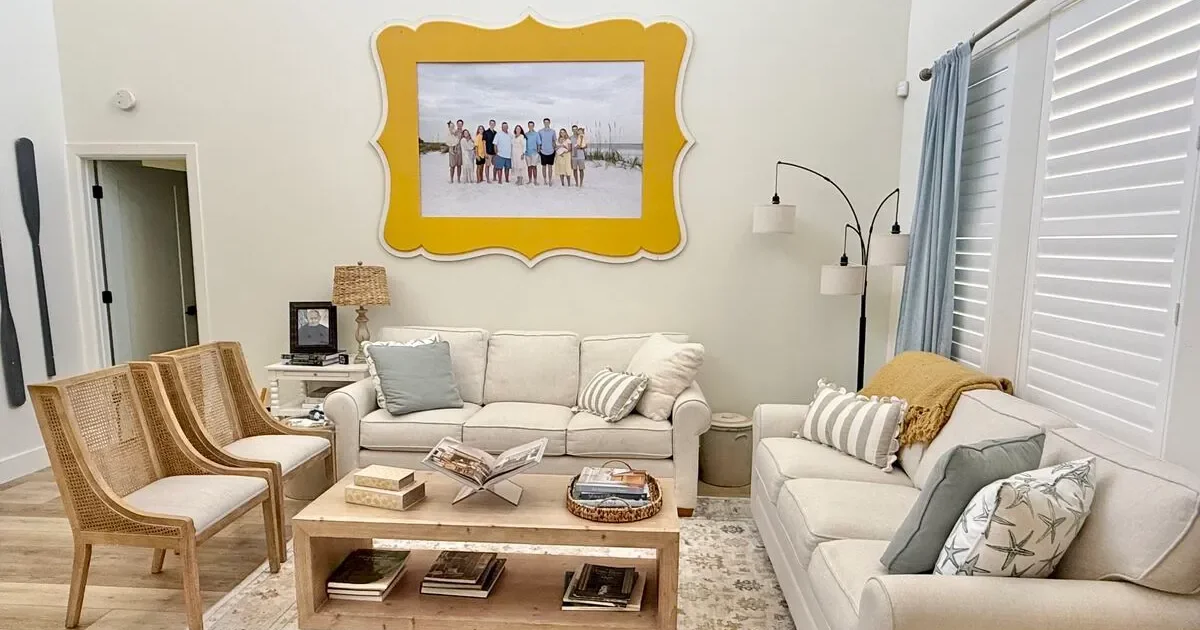
Coastal interior design uses light, breathable materials, a color palette pulled from sand and water rather than saturated nautical blue, and furniture chosen to handle humidity and sun exposure without falling apart in a few years. It leans on airiness and natural light instead of dense pattern or heavy furniture, and it takes its cues from the coastline itself, the way morning light moves through a room, the softness of driftwood and worn linen, rather than from a themed catalog.
The quickest way to tell whether a room is coastal in the real sense: if it feels like an easy extension of being outdoors near water, calm, breezy, unfussy, without a single literal beach object in sight, then it’s the style done right. The mood carries it, not the props. For how coastal sits among the other major residential styles, the University of Cincinnati’s design styles guide is a helpful overview.
The Elements That Define the Style
A short list of materials and choices does most of the work in coastal rooms, independent of any single project:
- Light linen and cotton, chosen for how they breathe in a humid climate as much as for how they look.
- Rattan, cane, and other woven natural textures, worked through the furniture rather than dropped in as one token accent.
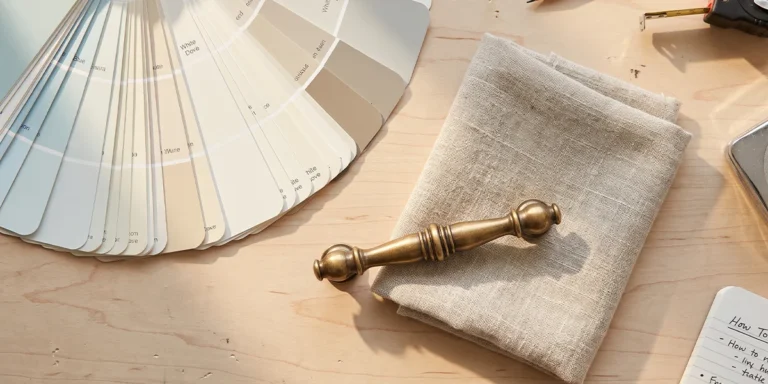
- A palette from sand, driftwood, and sea glass, soft neutrals and warm woods with restrained blue accents, instead of a primary-blue nautical scheme.
- Furniture and fabrics selected for durability under humidity and UV, a real constraint in Florida that a coastal shoot in a drier climate never has to solve for.
- Abundant natural light treated as a material of its own, planned into the room rather than filtered out.
Why Coastal Looks Different in a Real Florida Home
This is the part that separates a Florida coastal room from the one in a national magazine. The climate is the difference, and it shows up in two specific ways. Humidity here affects fabric and wood more than almost anywhere else in the country, so a gorgeous light-linen sofa that photographs perfectly can turn into a maintenance headache within a year if it wasn’t specified with Florida in mind, and solid-wood pieces that were never sealed for the moisture can move and check over a couple of summers. Specifying performance textiles built for humidity and sun, and following the manufacturer’s fabric care guidance such as Sunbrella’s, is a large part of what keeps a light coastal palette holding up here.
Sun exposure is the second, and it’s easy to underestimate. Florida daylight is more intense and far more constant than the coastal light most style references were shot in, which changes everything from how quickly a fabric fades to how warm or cool a “neutral” actually reads once it’s living under that light all year. A palette that looks right on a swatch card at the store can shift noticeably after twelve months of real Florida sun through a west-facing wall of windows.
There’s also the way people here actually live in these rooms. So much of Sarasota and Manatee County housing is built around indoor-outdoor flow, a living room that opens onto a lanai, a kitchen with sightlines to the pool, and coastal design is at its best when it treats that connection as the whole point rather than an afterthought. Getting it right is less about copying a national mood board and more about choosing materials for this specific climate and this way of living from the very first selection, which is where local experience matters more than taste alone.
Two Real Florida Coastal Projects, Read Side by Side
Coastal Craftsman and Florida Coastal, two built Lisa Marie Design Co. projects, show how far the same style can stretch depending on the architecture underneath it. The craftsman-influenced home carries more wood detailing and a slightly more grounded palette, while the true Florida coastal build leans lighter and more open, closer to what most people picture when they say “beach house” without meaning the theme-park version of it. Neither one is more correct, and the difference is the point: each was worked around its own home’s bones rather than forced into an identical coastal formula.
That’s also the honest reason these live as portfolio projects and this lives as a guide. The project pages show you what two finished Florida coastal homes look like, and this page explains the thinking that gets a room there, so if you want the visual proof after reading, both galleries are a click away.
Where Coastal Design Works Best
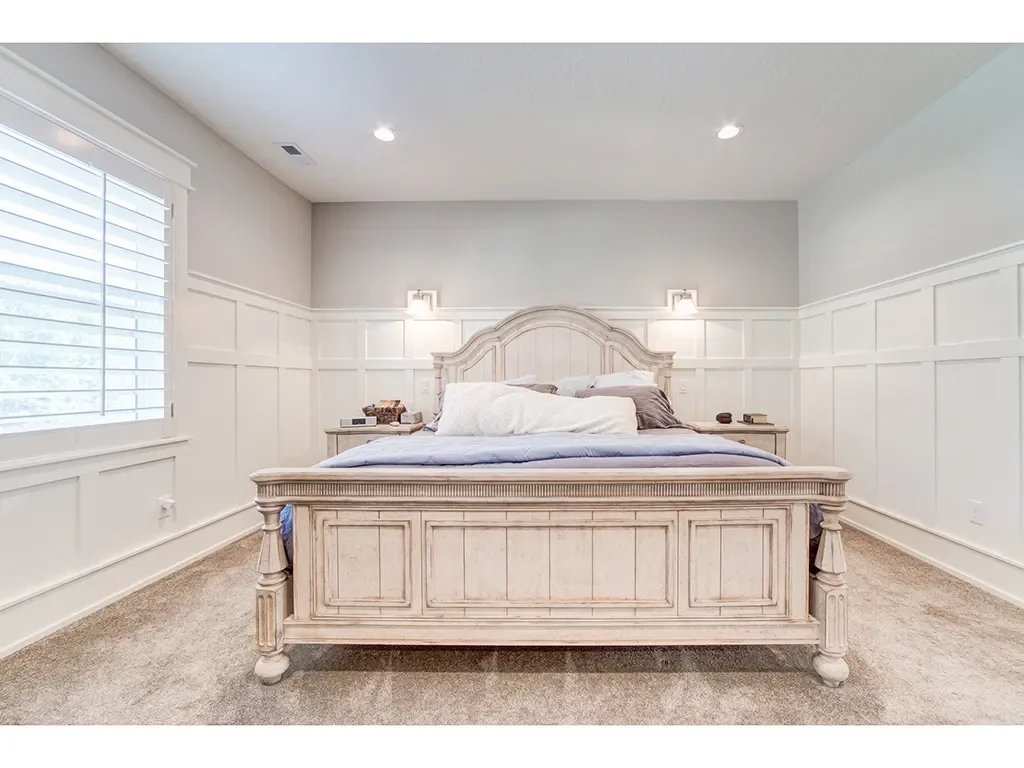
Living rooms, primary bedrooms, and any space that opens onto a lanai or pool tend to be the strongest fits, because those are the rooms where the connection to natural light and the outdoors carries the most weight. A living room that reads as an extension of the lanai gets more out of the style than almost any other space in the house.
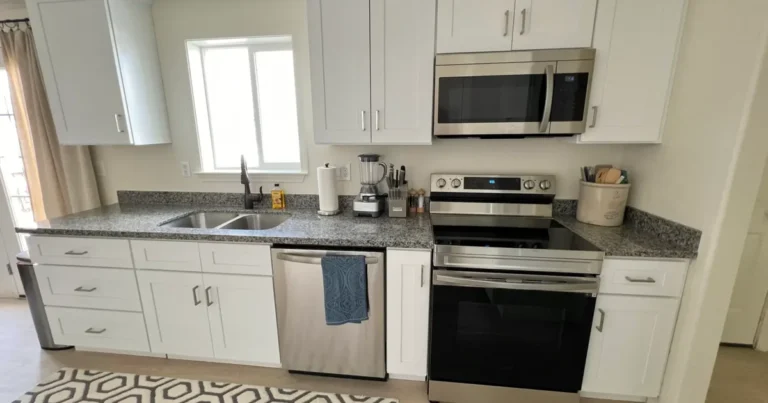
Kitchens take to it well too, especially with light cabinetry and sand or driftwood-toned stone or quartz, though the durability questions from the last section matter even more in a room that sees daily heat, water, and traffic. Formal dining rooms and home offices meant to feel more serious are the harder fits, since coastal’s built-in lightness can undercut the grounded, focused mood those rooms usually want. In spaces like that, one or two coastal elements read better than a fully committed room.
Coastal Design Mistakes That Read as Dated
A few missteps show up specifically on coastal projects, separate from the general style pitfalls covered in the main styles guide.
The most common is leaning on literal beach themes, the anchors, shells, and rope accents, which is usually the exact thing that tips a room from coastal into costume. The style works through material and palette, and props are what make it look dated within a season or two.
Second is buying fabric and furniture off a coastal mood board that was styled in a completely different climate. A linen that looks effortless in cool, dry New England light can behave nothing like that under Florida humidity and sun, and the feeling is worth borrowing even when the exact materials are not. Third is going too cold and too blue: coastal pulls as much from sand and driftwood as it does from water, and a room built entirely around saturated blue tends to read literal and nautical instead of the softer, more livable version of the style.
How Coastal Fits With the Other Styles
Coastal rarely lives in a house completely alone, and it borrows comfortably from its neighbors. Transitional design shares coastal’s restraint and its neutral base, which is why the two blend so easily in a Sarasota home that wants to feel light without committing to a full beach palette, and modern farmhouse trades material notes with it constantly through natural wood, woven texture, and an edited, uncluttered feel. If you’re still working out which direction is really yours, the complete interior design styles guide walks through all eight residential styles and how to tell them apart, and there’s a dedicated guide to transitional design if that middle ground is where you keep landing.
The thread that lets one designer move between coastal, transitional, and farmhouse without any of them feeling borrowed is the same four-phase, construction-first process underneath every project, since the decisions that actually make a room work, traffic flow, furniture scale, material durability, don’t change based on which style sits on top of them. You can read more about how we work with clients on any of them.
Coastal Interior Design Questions We Hear Often
What is coastal interior design?
Coastal interior design uses light, breathable materials, a palette pulled from sand and water, and furniture built to handle humidity and sun, favoring airiness and natural light over dense pattern or heavy furniture.
Is coastal design only for homes near the water?
No. It’s especially popular in Sarasota and Manatee County given the climate and the way people live here, but the style is about a material palette and a feeling, not proximity to the coastline, so it works just as well in an inland home as a beachfront one.
How is coastal design different in Florida than in other coastal regions?
Humidity and sun exposure matter far more here than in most of the country, and both affect fabric and furniture choices directly. A coastal palette and material set built for New England or the Pacific Northwest usually needs real adjustment to hold up and to read correctly under Florida’s stronger, more constant light.
How do I keep coastal design from looking themed or dated?
Build the room out of materials and palette rather than literal beach props. Light, breathable textures and a sand-and-water color scheme do the work; the anchors, shells, and rope are what date a coastal room fastest.
Which rooms work best for coastal design?
Living rooms, primary bedrooms, and spaces that open onto a lanai or pool are the strongest fits, since they gain the most from coastal’s connection to light and the outdoors. Formal or deliberately serious rooms are harder fits for the style’s inherent lightness.
Can coastal design work alongside other interior styles?
Yes. Transitional and modern farmhouse both borrow naturally from coastal materials and palettes, so the cleanest approach is to pick one lead direction and let the coastal influence support it rather than having two styles compete for the same room. The complete styles guide is the place to start if you’re deciding between them.
How do I get started on a coastal project for my home?
A complimentary phone call is the first step, and from there an in-home consultation puts a designer’s eye on your actual space, your light, your architecture, and how you use each room, before any selections are made. Book a discovery call to begin.
Genuine coastal interior design is one of the more forgiving styles to get right once the literal beach references are set aside, because the material and palette choices carry almost all of it. It’s also one of the styles where local experience earns its keep, since a Florida coastal room and one built for a cooler, drier coast are not interchangeable even when they photograph the same. If you’d like to see how the same style reads across two different real Florida homes before you start, both projects are in the portfolio.