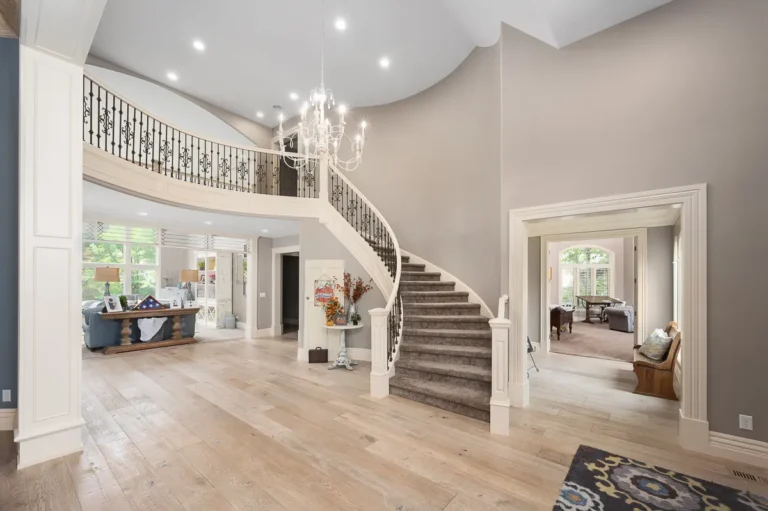

“Interior decorator” and “interior designer” get used as if they’re interchangeable, and most people never think twice about which one they’re actually hiring until a project runs into a wall that can’t move. The difference matters more than a title on a business card. It shapes what someone is actually qualified to help you with, whether they can speak to your contractor in a language that means anything, and what happens the first time a plan on paper collides with the reality of a job site.
Lisa Miller gets asked about this distinction constantly, mostly because her own background sits outside the usual boxes. She spent 30 years in residential construction before she ever took on a design client, so she’s watched both sides of this conversation from inside a job site, not just a showroom. Part of the confusion is honest: plenty of professionals use the titles loosely themselves, and nothing in most states stops them from picking whichever one sounds better on a business card.
Interior Decorator vs Designer: What Each Title Actually Covers
What an Interior Decorator Does
An interior decorator works with what’s already there: the walls, the windows, the existing layout, and focuses on making a room look and feel finished. Furniture selection, paint colors, fabrics, art, and lighting fixtures that don’t require rewiring all fall under decorating. It’s aesthetic work, and it doesn’t require any formal license or degree. Anyone can call themselves a decorator, which is part of why the quality and depth of experience varies so widely from one to the next.
What an Interior Designer Does
An interior designer’s scope usually runs deeper. Space planning, material and finish specification, lighting layout, and coordinating with architects or contractors on how a room actually functions all fall under design rather than decoration. Some designers pursue formal education and industry credentials, such as the NCIDQ exam or membership through organizations like the American Society of Interior Designers (ASID), though the title itself isn’t uniformly regulated across the country, so plenty of people practicing as designers haven’t gone through a certification path at all. What separates a strong designer from a decorator with a fancier title is usually depth of technical knowledge, not the words on a website.
Where Construction Experience Changes the Equation
Most interior designers, certified or not, have never coordinated a framing crew or read a structural engineer’s notes. That’s not a knock on their work, just a different skill set than construction. Lisa’s is a hybrid because her first career was building homes, not designing them. Before Lisa Marie Design Co. existed, she spent three decades as a builder, personally designing 53 single-family custom homes and developing finishes for more than 5,600 multifamily units, picking up the design side out of necessity, one job site at a time.
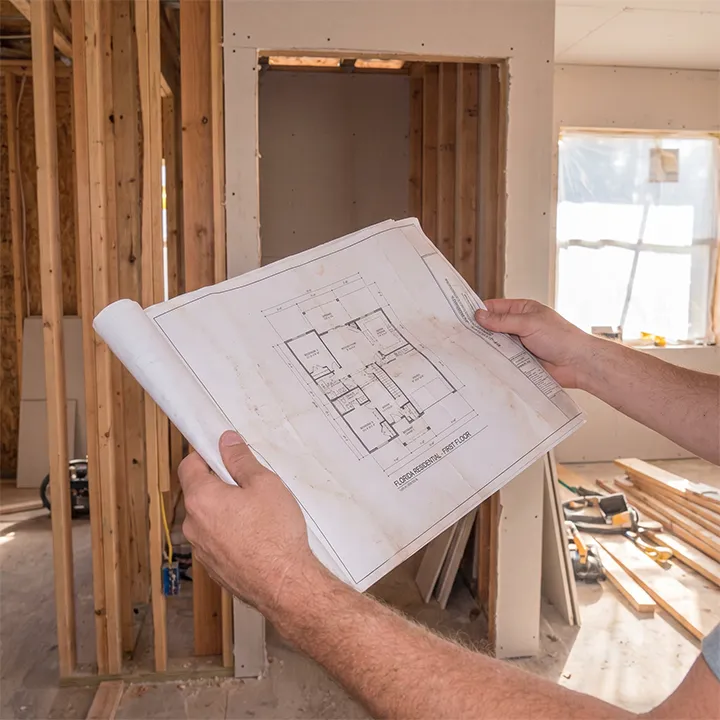
That background means she reads blueprints instead of waiting for someone to translate them, understands what a contractor means when a wall can’t move, and catches problems on paper that would otherwise surface as change orders mid-construction. It’s a narrower niche than “interior designer” broadly. Plenty of talented designers never touch a construction site, and that’s fine for most projects. It only becomes the deciding factor once your project involves a wall, a rewire, or a permit.
Why the Difference Matters for Your Project
If You’re Furnishing a Room That Already Exists
Refreshing furniture, updating a color palette, or restyling a room you already love the bones of is decorator territory, and a good decorator, or a designer doing decorative work, will get you there without needing to know anything about load-bearing walls.
If You’re Building or Renovating
Once a project involves moving a wall, reconfiguring a kitchen layout, or coordinating with a general contractor on a new build, you’re better served by someone who can sit in a job site meeting and understand what’s actually being discussed. This is the exact reason Lisa built her four-phase process around construction milestones instead of just mood boards, a breakdown covered in full on our interior design process article.
What Homeowners Usually Ask
Is a more expensive title always the better choice?
Not necessarily. If you’re decorating a single room you already love the bones of, an experienced decorator can do excellent work for less, and hiring a full-service designer for that scope is often overkill.
Do I need a licensed interior designer for my project?
For residential work, no. Florida doesn’t require a state license or registration to use the title “interior designer” on residential projects; that requirement only applies to commercial spaces. What actually protects you is experience with a project like yours, not a license number.
Can a decorator and a designer work on the same project?
Sometimes, especially on larger renovations where a designer handles space planning and construction coordination while a separate decorator or stylist finishes the room with furniture and accessories. On a full-service project with Lisa, that split doesn’t happen since both pieces are handled under one process, but it’s a legitimate way to divide the work if you’re assembling your own team.
Is Lisa Marie Design Co. an interior decorator or an interior designer?
Interior designer, with a scope that goes further than most. Lisa’s 30 years in residential construction and 53 custom homes mean she can move between decorative decisions, like fabric, finishes, and furniture, and construction-level ones, like blueprints, trade coordination, and code awareness, without handing either off to someone else. That combination is unusual enough that it’s really the reason this business exists.
Does construction background make the whole process more expensive?
Not inherently. The four-phase pricing structure is based on scope and hours, the same as any full-service designer would charge. What it changes is what you’re paying for: fewer surprises during construction, because someone caught the conflict on paper instead of on site.
What if I’m not sure which one I need?
Book a discovery call and describe your project. Lisa will tell you honestly whether it calls for full-service design, a lighter decorating touch, or something in between, and if it’s outside her scope, she’ll say so.